"... A Great Empire Will Be Destroyed."
Donald Trump as King Croesus

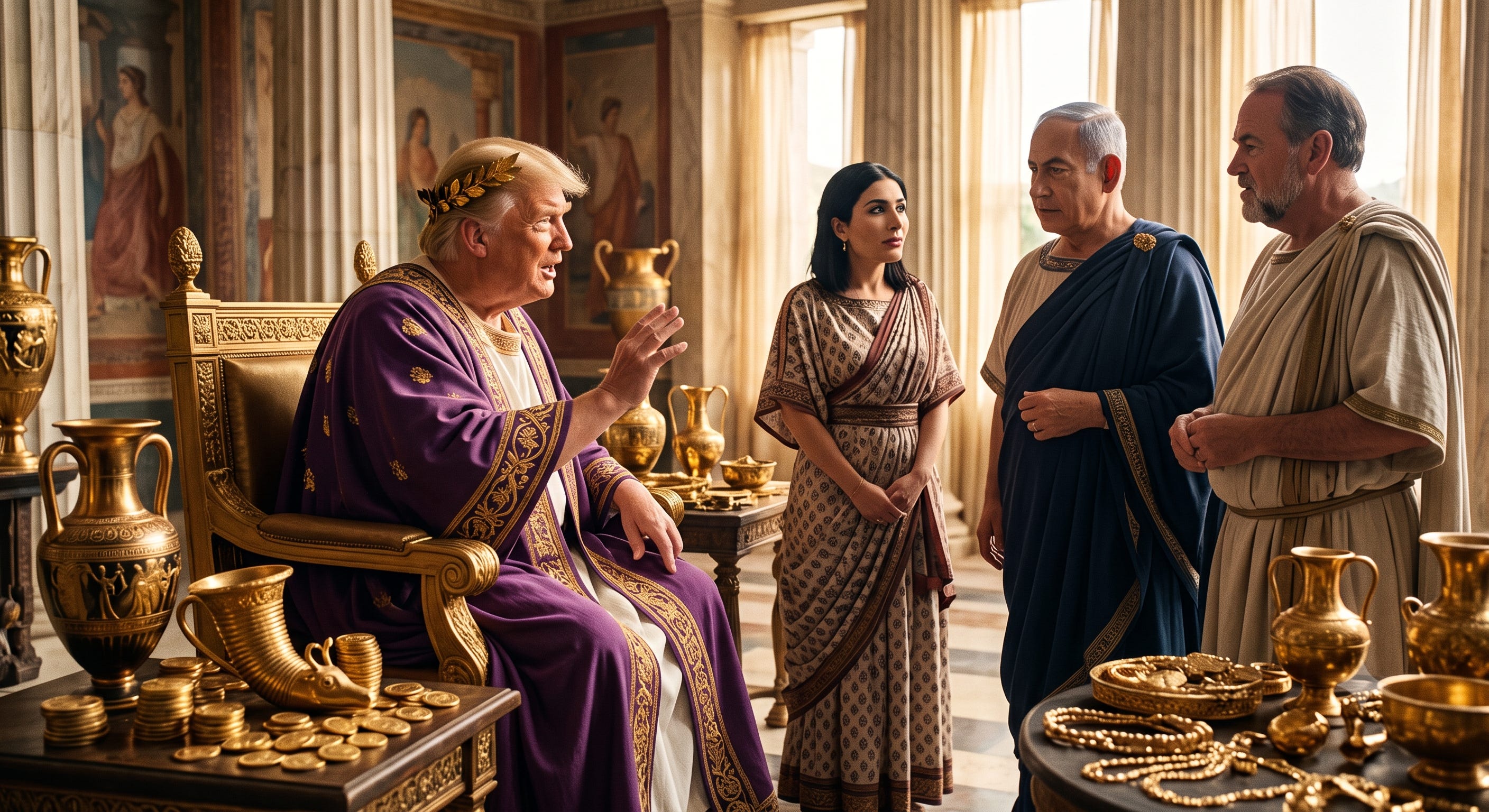
There is a real craze right now for ancient Greece and Rome, driven in part - and driving - the blockbuster release of Christopher Nolan’s Odyssey. I have more than a dilettante’s interest in ancient history - the entire sweep from the Bronze Age to Late Antiquity - but am also a sucker for the Fractured Fairy Tales of my childhood. So this is my Fractured Antiquarian Legend of Trump as the ancient Lydian King Croesus.
I am thus inspired by early childhood viewing of Rocky & Bullwinkle cartoons on Saturday mornings and the latest “Midweek Update” by Phillips O’Brien, the best military analyst out there (some of which will be behind a paywall):
Phillips Obrien Midweek Update 21
Read O’Brien’s article, entitled “Iran Is Toying With the USA”. And then use a little childlike imagination. Bear with me - there are some interesting parallels here, and I have been somewhat obsessed by them for a few weeks now. My Fractured Antiquarian Legend is really quite on the nose:
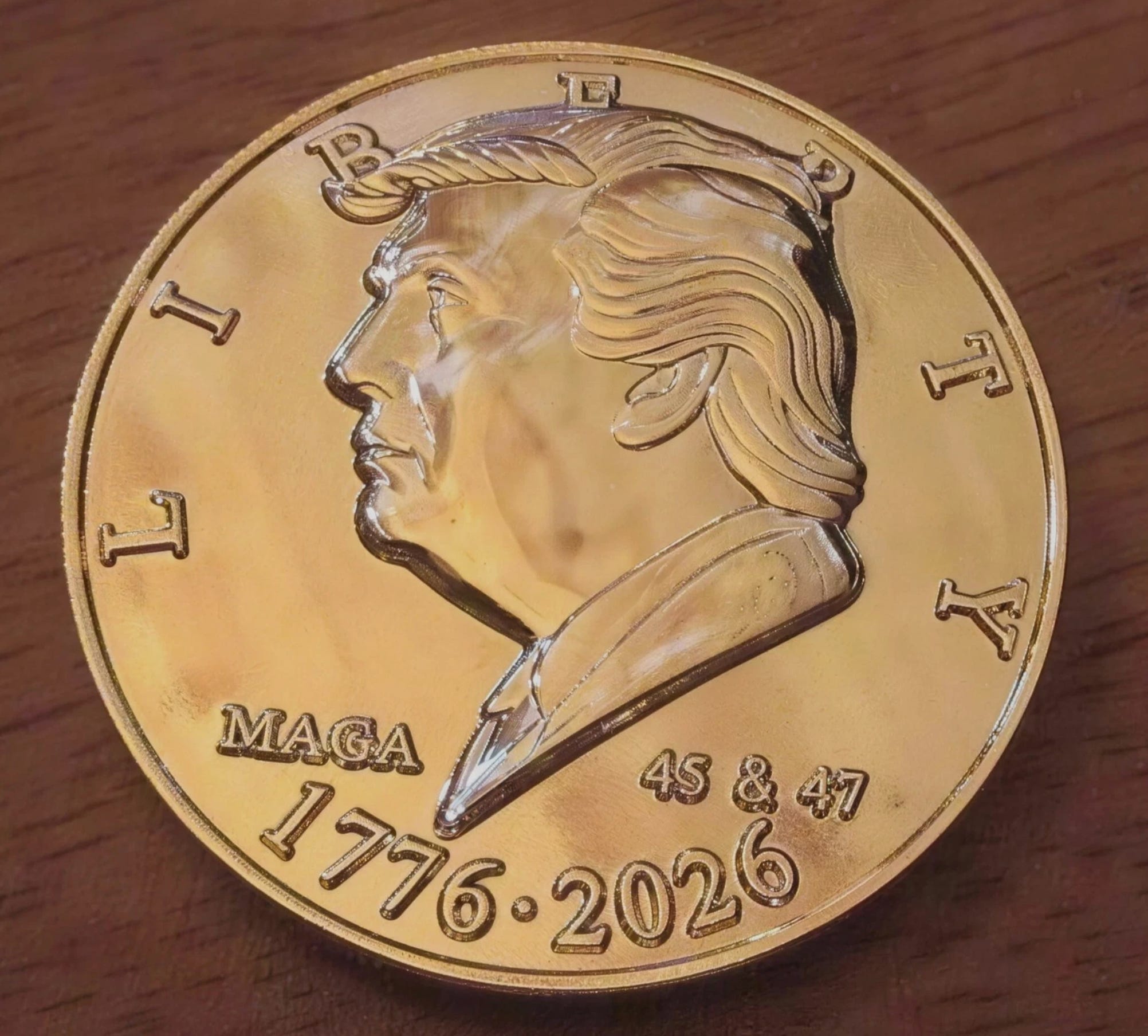
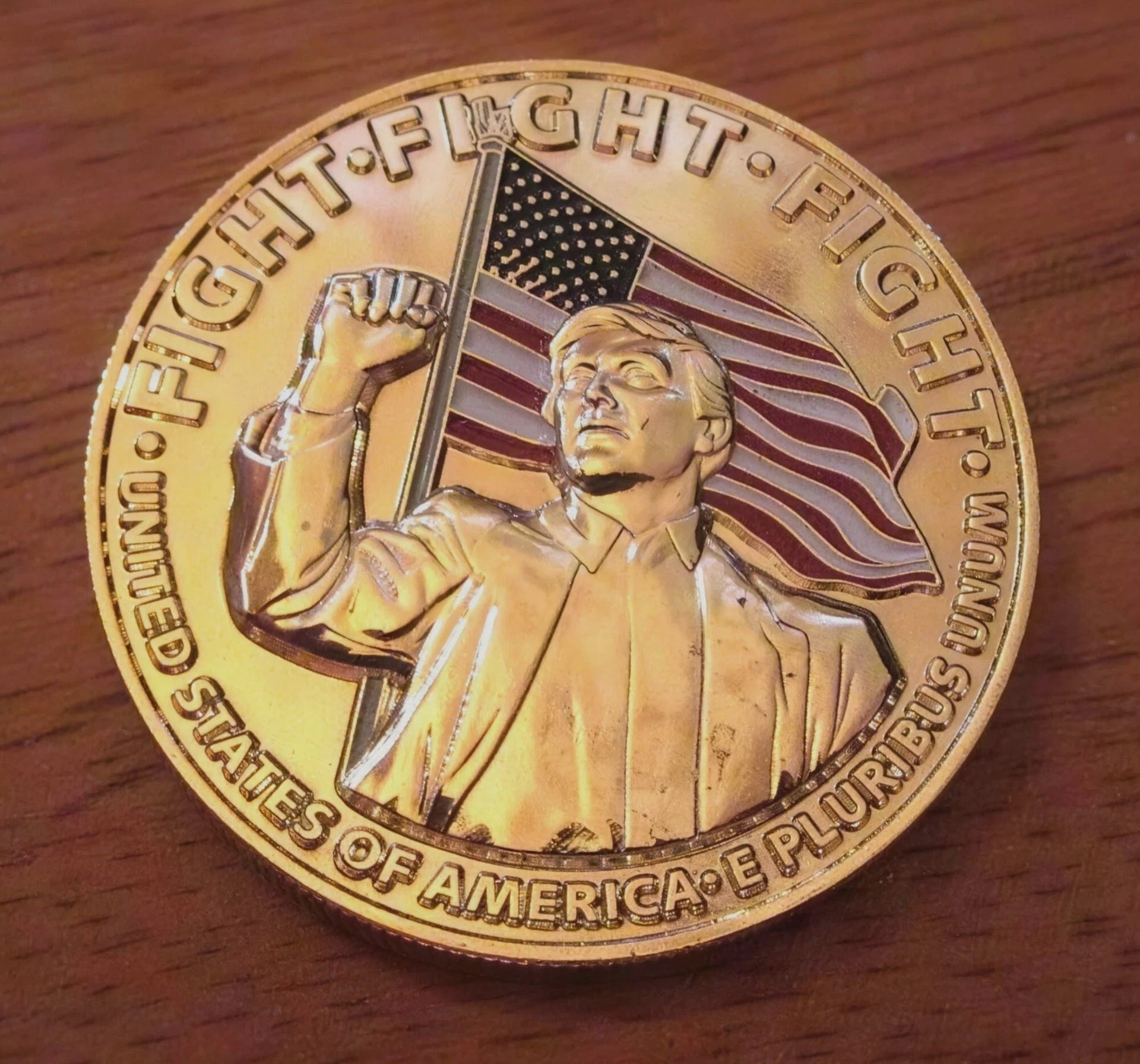
Parallel Number One: For those who are not so familiar with ancient Asia Minor, King Croesus, who ruled the Kingdom of Lydia (in western Anatolia) from 585 to 546 BCE, was renowned for his wealth and his love of gold. Think Trump’s golden Oval Office gewgaws and lucrative crypto schemes.
Parallels Number Two and Three: Croesus was interested in expanding Lydia toward the east, across the Halys River, at the expense of his neighbor King Cyrus of the Persians. (His initial target was Cappadocia, a Persian vassal state.) Thus the Iranians - in this case ancient - enter the picture. Then there is the bizarre parallel that certain Evangelical Christian yahoos have drawn between Trump and the Biblical Cyrus - only they got this, like so much else, entirely backward.
Parallel Number Four: Before launching his war of aggression against Persia, Croesus asked the Oracle of Delphi for advice. The Oracle was notoriously inscrutable, its words hard to interpret. A modern equivalent, pictured above, might be the combined counsel of Laura Loomer, Benyamin Netanyahu and Mike Huckabee. I could have added others, such as Pete Hegseth, Franklin Graham and the late, great Lindsey Graham, but the AI-generated picture would have gotten very crowded.
As Wikipedia describes the ancient episode in its article on the Battle of Pteria:
The Oracle suggested vaguely that, "if King Croesus crosses the Halys River, a great empire will be destroyed." Croesus received these words most favorably, instigating a war that ironically would eventually end not the Persian Empire but his own.
Verily, King Trump received the words of his oracles most favorably.
Parallel Number Five: The Lydian forces under King Croesus enjoyed early success, capturing the capital of Cappadocia, Pteria, sacking the city and enslaving the inhabitants. King Cyrus advanced to meet the invading Lydians, defeating and annexing kingdoms along the way, until the two armies met near Pteria. A bloody battle ensued. It is said that the Persians were greatly outnumbered, but their determination - including the refusal of the Persian Immortals to retreat - enabled them to carry the day. Croesus withdrew to regroup and await reinforcements from allies which never materialized. Cyrus seized the initiative, invaded Lydia and sacked its capital, Sardis.
A “great empire” had been destroyed. Croesus’ own empire, Lydia. Lydia never regained its independence, being incorporated in other states and empires down to the present day.
Here are two relevant articles from Wikipedia, the first on the Battle of Pteria, and the second on King Croesus:
After the Lydian Kingdom was extinguished, Croesus the man vanished into obscurity. Except, that is, as a cautionary tale of hubris and the love of gold.
"By the fifth century at least", J. A. S. Evans has remarked, "Croesus had become a figure of myth, who stood outside the conventional restraints of chronology." (Wikipedia)
Cyrus became Cyrus the Great, builder of a mighty empire that eventually extended from the Aegean to the Indus, including Egypt and parts of Central Asia.
Finally, Croesus was also famed in antiquity for inventing gold coinage. Many of the coins he had struck have survived to this day in museums. So, in conclusion I will add
Parallel Number Six: